What Is Hydrated Lime?
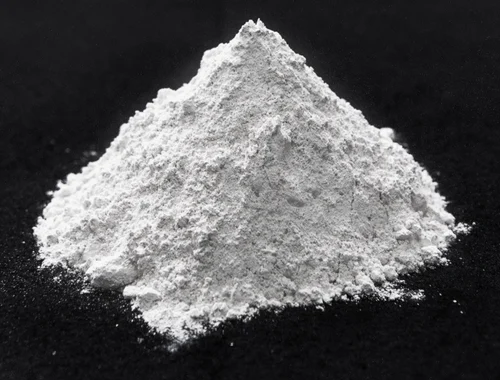
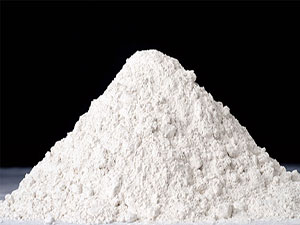
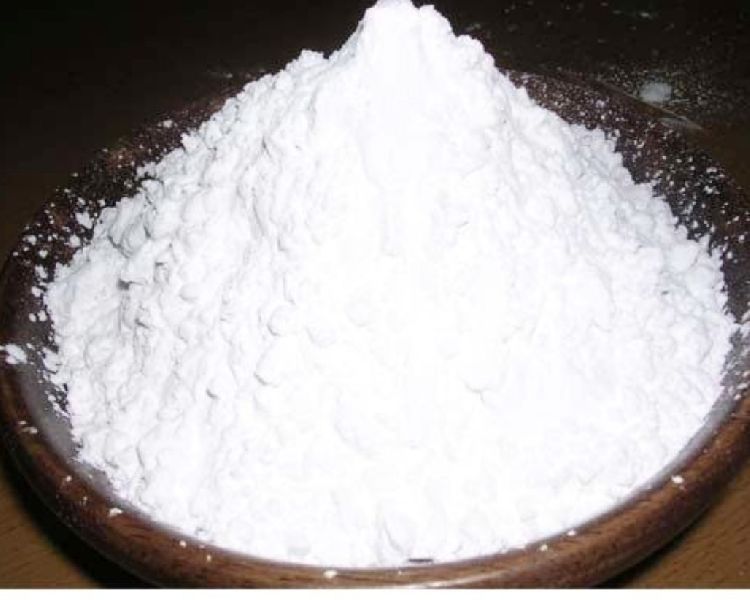
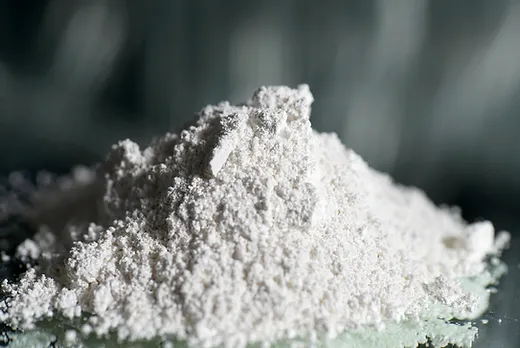
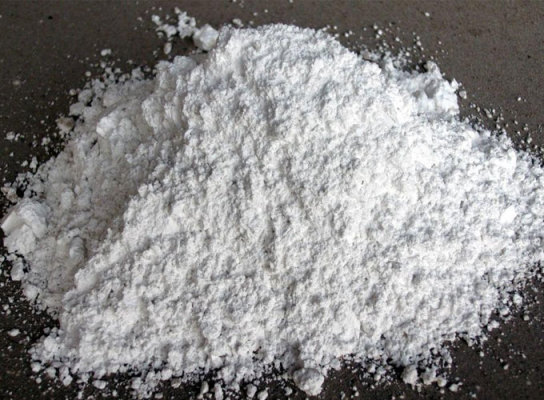
Hydrated lime — also called slaked lime or calcium hydroxide (Ca(OH)₂) — is a fine, white, odorless inorganic powder produced by reacting quicklime (calcium oxide, CaO) with water. It is strongly alkaline, chemically stable, and easier and safer to handle than quicklime, which makes it the preferred form of lime for most industrial, agricultural, and construction applications.
Because hydrated lime reacts readily with acids, carbon dioxide, and various metal ions, it is used wherever a process needs neutralization, pH adjustment, purification, or a binding/cementing agent.
Quick facts:
| Property |
Detail |
| Chemical name |
Calcium Hydroxide |
| Chemical formula |
Ca(OH)₂ |
| Common names |
Hydrated lime, slaked lime |
| Appearance |
White to off-white, fine powder |
| Nature |
Strongly alkaline |
| Solubility |
Slightly soluble in water, forms limewater |
| CAS Number |
1305-62-0 |
How Hydrated Lime Is Manufactured
Hydrated lime is produced through a controlled chemical process called slaking, in which quicklime (CaO) is reacted with a precise quantity of water:
CaO + H₂O → Ca(OH)₂ + Heat
At Shivi Minerals, this reaction takes place in our hydration plant at Khimsar under controlled temperature and water-dosing conditions. Controlling the reaction closely is what determines the final product's quality — too little water leaves unreacted lime; too much produces a wet, lumpy product with inconsistent purity.
Our process is built around three priorities:
- Consistent particle size — achieved through mesh-controlled milling (BSS 100 to BSS 400, depending on grade)
- Stable chemical composition — batch testing to keep Ca(OH)₂ content within the specified purity band
- High reactivity — critical for applications like water treatment and flue gas desulfurization, where the lime needs to dissolve and react quickly
The result is a uniform, free-flowing hydrated lime suitable for direct industrial use, with each production batch tested before dispatch.
Key Properties of Hydrated Lime
- Chemical formula: Ca(OH)₂
- Appearance: White to off-white powder
- Nature: Strongly alkaline (pH ~12.4 in solution)
- High neutralizing value — effective at raising pH in acidic effluents and soils
- Excellent chemical stability — long shelf life when stored correctly
- Low solubility in water, forming limewater/milk of lime when mixed
- Non-flammable and non-explosive under normal handling conditions
Grades & Chemical Composition
Shivi Minerals supplies hydrated lime across seven purity grades, from 70% to 94% Ca(OH)₂, so buyers can select the grade that matches their process requirement and budget rather than paying for purity they don't need.
| Specification |
94% |
92% |
90% |
85% |
80% |
75% |
70% |
| Appearance |
Brilliant white |
Brilliant white |
Snow white |
White |
White |
White |
Off white |
| Av. Ca(OH)₂ |
94.0 ± 0.50 |
92.0 ± 0.50 |
90.0 ± 0.50 |
+85.0 |
+80.0 |
+75.0 |
+70.0 |
| Moisture % |
0.50 ± 0.20 |
0.50 ± 0.20 |
0.70 ± 0.20 |
0.40 ± 0.3 |
0.40 ± 0.3 |
0.40 ± 0.3 |
0.40 ± 0.3 |
| Magnesium Oxide (MgO) |
0.60 ± 0.20 |
0.70 ± 0.20 |
0.80 ± 0.20 |
0.90 ± 0.30 |
1.05 ± 0.40 |
1.80 ± 0.50 |
2.50 ± 0.50 |
| Acid Insoluble (SiO₂) |
0.20 ± 0.60 |
0.20 ± 0.50 |
0.50 ± 0.50 |
1.25 ± 0.20 |
1.5 ± 0.20 |
5.0 ± 1.0 |
7.0 |
| Particle size (Mesh) |
BSS 400, -98% |
BSS 300, -98% |
BSS 250, -95% |
BSS 250, -90% |
BSS 150, -95% |
BSS 150, -95% |
BSS 100, -95% |
Choosing a grade: high-purity 92–94% grades are typically specified for water treatment, food-grade clarification, and chemical manufacturing where precise dosing matters. Mid-range 80–90% grades suit most construction and general industrial neutralization work. 70–75% grades are commonly used in bulk soil treatment and lower-sensitivity applications where cost efficiency matters more than purity.
Industrial Applications of Hydrated Lime
Water & Wastewater Treatment
Hydrated lime is one of the most widely used chemicals in municipal and industrial water treatment. It corrects pH, softens hard water, and precipitates heavy metals and impurities out of effluent before discharge. Its high neutralizing value makes it effective even in acidic industrial wastewater streams.
Construction
Hydrated lime is a traditional ingredient in mortar, plaster, whitewash, and lime-based cement blends. It improves workability, water retention, and long-term durability of masonry work, and is still specified in heritage and eco-construction projects for its breathability compared to modern cement.
Steel Industry
Steel plants use hydrated lime as a flux and for flue gas desulfurization (FGD), where it reacts with sulfur dioxide in exhaust gases to reduce emissions. It's also used in slag conditioning during steel refining.
Sugar Industry
In sugar refining, hydrated lime is used to clarify raw juice extracted from sugarcane or sugar beet, precipitating impurities so they can be filtered out. This is a critical step in producing clear, high-quality sugar, and hydrated lime is recognized as a food-processing aid (E526) for this purpose.
Chemical Manufacturing
Hydrated lime is a raw material for producing calcium-based compounds such as calcium stearate, calcium hypochlorite (bleaching powder), and other calcium salts used across the chemicals industry.
Agriculture
Applied to soil, hydrated lime reduces acidity, raises pH, and supplies bioavailable calcium to crops — improving nutrient uptake and yield in acidic soils.
Paper & Pulp
Used in the causticizing process to recover and regenerate the chemicals used in pulping, hydrated lime helps paper mills reduce raw material costs and environmental impact.
Advantages of Shivi Minerals' Hydrated Lime
- Consistent purity across every batch, backed by in-house quality testing
- Multiple grades (70–94%) to match application-specific requirements without overpaying for unneeded purity
- Controlled particle size (BSS 100–400 mesh) for predictable reactivity and dissolution
- Large-scale manufacturing capacity (75,000 MT/annum) to support both trial orders and long-term bulk contracts
- Direct-from-manufacturer pricing — no intermediary markups
- Responsive logistics from our Rajasthan facility to destinations across India
Quality Assurance
Every batch of hydrated lime produced at our Khimsar facility is tested for Ca(OH)₂ content, moisture, magnesium oxide, acid-insoluble matter, and particle size before it is approved for dispatch. This batch-level testing is what allows us to guarantee the specification tolerances shown in the grade table above, rather than offering only indicative ranges.
If your project requires a specific certification (ISO, BIS, or a customer-specific quality protocol), contact our team — we can confirm current certification status and provide test certificates (TC/COA) with your shipment.
Packaging & Supply
- Minimum Order Quantity: 20 MT
- Indicative price range: ₹3,000 – ₹6,000 per MT (varies by grade and order volume — contact us for a current quote)
- Packaging options: 25 kg / 50 kg HDPE/PP bags, jumbo (bulk) bags on request, and bulk tanker dispatch for large-volume buyers
- Storage & handling: Store in a dry, moisture-free environment in sealed bags; hydrated lime absorbs moisture and CO₂ from air over time, which reduces reactivity. Handle with gloves, safety goggles, and a dust mask, as the powder is alkaline and can irritate skin, eyes, and airways.
Why Choose Shivi Minerals
Shivi Minerals is a hydrated lime manufacturer headquartered in Jodhpur, Rajasthan, with production based at Khimsar, Nagaur — a region with direct access to high-quality limestone reserves. Buyers choose us for:
- Manufacturing scale: 75,000 MT/annum hydrated lime and 60,000 MT/annum quicklime capacity
- Grade flexibility: seven purity grades from a single supplier, reducing the need to juggle multiple vendors
- Direct manufacturer relationship: pricing, technical specs, and order quantities negotiated directly with the producer
- Industrial experience: supply relationships across construction, water treatment, steel, sugar, and chemical sectors
Industries We Serve
- Water Treatment Plants
- Construction & Infrastructure Companies
- Steel & Metallurgical Plants
- Sugar & Food Processing
- Chemical Manufacturers
- Paper & Pulp Mills
- Agriculture & Soil Treatment
- Environmental & Effluent Treatment Contractors
Manufacturing Capabilities
| Detail |
Specification |
| Manufacturing location |
Khimsar, Nagaur, Rajasthan |
| Head office |
51 Ashok Nagar, Pal Link Road, Jodhpur, Rajasthan |
| Hydrated lime capacity |
75,000 MT per annum |
| Quicklime capacity |
60,000 MT per annum |
| Grades offered |
70%, 75%, 80%, 85%, 90%, 92%, 94% Ca(OH)₂ |
| Minimum order quantity |
20 MT |
Export Capabilities
Shivi Minerals is positioned to supply hydrated lime beyond India, with export-ready bulk packaging (jumbo bags, container-loadable HDPE bags) and documentation support for international buyers. If you are sourcing hydrated lime as an export order, contact our export desk to discuss destination country requirements, container loading capacity, and lead times.
(Note: confirm specific export markets/countries currently served before publishing this section — placeholder language above avoids overstating unverified export history.)
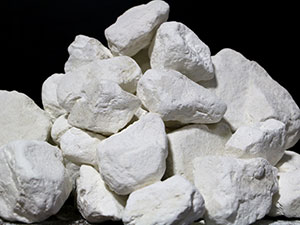
Hydrated Lime vs. Quick Lime vs. Slaked Lime — What's the Difference?
These three terms are often confused. Here's the distinction:
| |
Quick Lime (CaO) |
Hydrated Lime / Slaked Lime (Ca(OH)₂) |
| Chemical name |
Calcium Oxide |
Calcium Hydroxide |
| Production |
Made by calcining limestone at high temperature |
Made by adding water to quicklime |
| Reactivity |
Highly reactive, generates significant heat with water |
Stable, safer to handle |
| Handling |
Requires more caution — reacts vigorously with moisture |
Easier to store and dose |
| Common uses |
Steel flux, high-temperature processes, base material for hydrated lime |
Water treatment, construction, agriculture, food processing |
In short: quicklime is the raw, high-heat-reactive form; hydrated lime is the stabilized, hydrated form produced from it. Most end-use industrial and construction applications call for hydrated lime specifically because of its easier handling and predictable reactivity.
Explore our related products: Quick Lime | Quick Lime Powder | Slaked Lime | Calcium Hydroxide
Looking for packaged, mesh-specific hydrated lime powder for your process? See our dedicated Hydrated Lime Powder page for product-form and particle-size details.
Common Mistakes Buyers Make When Sourcing Hydrated Lime
- Choosing the highest purity grade by default. Many applications (e.g., general soil treatment or bulk neutralization) don't need 94% purity — paying for it wastes budget better spent on volume.
- Ignoring particle size (mesh). Reactivity depends heavily on mesh fineness, not purity alone. A coarser, lower-mesh product can underperform even at higher Ca(OH)₂ content.
- Not checking moisture content. High moisture reduces effective reactivity and shortens shelf life — always check the moisture spec, not just purity.
- Overlooking storage conditions before ordering. Hydrated lime degrades on exposure to air and moisture; buyers who don't have dry storage in place often see quality loss before the material is even used.
- Sourcing without a test certificate. Always request a certificate of analysis (COA) with each batch to confirm the spec matches what was ordered.
- Underestimating lead time for bulk orders. Large-volume or export orders need to be planned against production and packaging capacity — confirm lead times upfront.
Buying Guide: How to Choose the Right Hydrated Lime Grade
- Identify your application — water treatment, construction, agriculture, food processing, or chemical manufacturing each has different tolerance for impurities.
- Check required Ca(OH)₂ purity — match your process specification against our 70–94% grade table above.
- Confirm particle size requirements — finer mesh (BSS 300–400) for fast-reacting applications like water treatment; coarser mesh acceptable for construction and soil use.
- Decide on packaging — 25/50 kg bags for smaller or manual-handling operations; jumbo bags or bulk tanker for high-volume continuous processes.
- Request a sample and COA before committing to a large order, especially for a new supplier relationship.
- Confirm MOQ and pricing — Shivi Minerals' MOQ is 20 MT; contact us for current pricing by grade and volume.